



Would you like to get detailed information? Contact us!
You can reach our support line 24/7. Our team will get back to you as soon as possible.Our clinics offer a comprehensive range of services to meet all your healthcare needs. You can consult our experienced team to get information about your treatments.
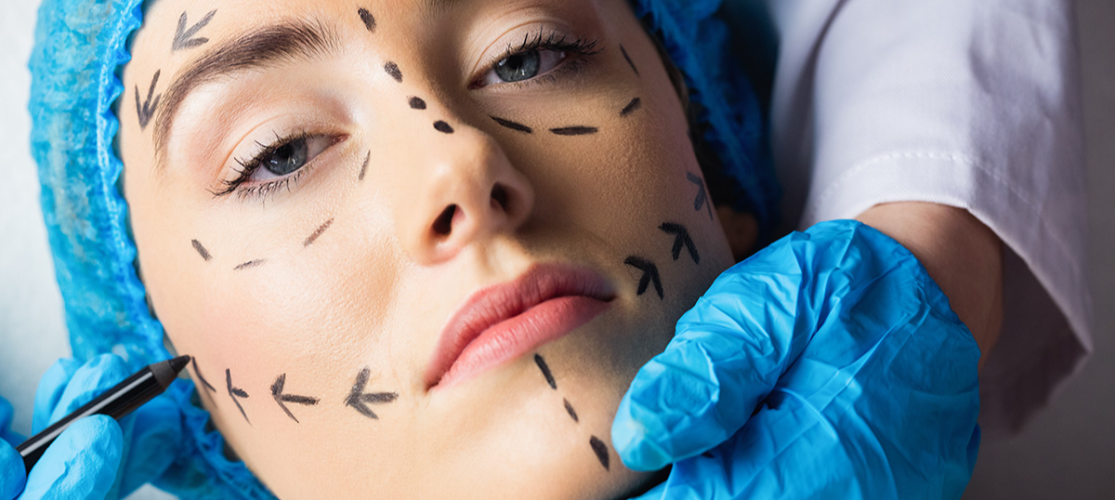
Are you tired of feeling self-conscious about your nose? Are you looking for a way to enhance your facial harmony and boost your self-confidence? Look no further than rhinoplasty surgery, also known as nose reshaping. In this ultimate guide, we will take you through everything you need to know about this transformative procedure.
Rhinoplasty surgery is a popular cosmetic procedure that aims to reshape and resize the nose to create a more balanced and aesthetically pleasing facial appearance. Whether you want to correct a congenital defect, improve your breathing, or simply enhance your facial features, rhinoplasty can be a life-changing option.
In this comprehensive guide, we will delve into the different aspects of rhinoplasty surgery, including the procedure itself, the risks and benefits, the recovery process, and what to expect post-surgery. From understanding the different surgical techniques to exploring the latest advancements in the field, we will provide you with the knowledge and insights you need to make an informed decision about rhinoplasty surgery.
Get ready to embark on a journey to a new and improved nose, and a renewed sense of self-confidence. Let's dive into the ultimate guide to rhinoplasty surgery.
Rhinoplasty, also known as nose reshaping surgery, is a versatile cosmetic procedure that can address a wide range of nasal concerns. From refining the shape and size of the nose to correcting structural abnormalities, there are several different types of rhinoplasty procedures that can cater to individual needs and preferences.
One of the most common types of rhinoplasty is the traditional or "open" rhinoplasty. This approach involves making a small incision on the columella, the narrow strip of skin between the nostrils, allowing the surgeon to access the underlying nasal structures and make the necessary adjustments. Open rhinoplasty provides excellent visibility and control, making it a popular choice for more complex cases or those requiring significant reshaping.
Alternatively, the "closed" or endonasal rhinoplasty is performed entirely through incisions made inside the nostrils, leaving no visible external scarring. This technique is often preferred for more minor adjustments, such as refining the tip of the nose or reducing the width of the nasal bridge. The closed approach generally results in a shorter recovery time and reduced swelling compared to the open method.
For individuals seeking to address both cosmetic and functional issues, a combination rhinoplasty may be recommended. This approach combines elements of both open and closed techniques, allowing the surgeon to address both aesthetic and structural concerns simultaneously. This can be particularly beneficial for patients with breathing difficulties or other nasal obstructions that require internal structural modifications.
Ultimately, the choice of rhinoplasty technique will depend on the specific goals and needs of the individual patient, as well as the expertise and preferred approach of the experienced surgeon. It's essential to have an in-depth consultation to understand the various options and determine the most suitable course of action for achieving the desired outcome.
The rhinoplasty surgery process can be divided into several key stages, each of which plays a crucial role in achieving the desired outcome. Understanding the various steps involved can help you feel more informed and confident as you embark on your nose reshaping journey.
The first step in the rhinoplasty process is the initial consultation with your surgeon. During this meeting, your surgeon will carefully evaluate your facial anatomy, discuss your goals and concerns, and develop a customized surgical plan to address your specific needs. They may also take detailed measurements, photographs, and digital simulations to help you visualize the potential results.
Once you and your surgeon have agreed on the surgical approach, the next step is the pre-operative preparation. This may involve additional medical tests, the discontinuation of certain medications, and the implementation of lifestyle changes to optimize your body's healing process. Your surgeon will provide you with detailed instructions to ensure that you are fully prepared for the procedure.
On the day of your rhinoplasty surgery, you will typically be asked to arrive at the surgical facility a few hours before the scheduled start time. The procedure itself usually takes between one to three hours, depending on the complexity of the case. During the surgery, your surgeon will make the necessary adjustments to the underlying nasal structures, such as reshaping the cartilage, reducing the size of the nasal bones, or altering the shape of the nasal tip.
After the surgery, you will be moved to a recovery area where you will be closely monitored as the anesthesia wears off. You may experience some discomfort, swelling, and bruising, which are normal side effects of the procedure. Your surgeon will provide you with pain medication and instructions on how to care for your nose during the initial recovery period.
In the days and weeks following your rhinoplasty, you will have a series of follow-up appointments with your surgeon to monitor your progress and ensure that your healing is on track. During these visits, your surgeon may remove any sutures, adjust the nasal splint, and provide guidance on the next steps in your recovery journey.
By understanding the various stages of the rhinoplasty process, you can feel more prepared and confident as you embark on your nose reshaping journey. Remember to work closely with your experienced surgeon and follow their instructions closely to achieve the best possible outcome.
 7 days
 Transfer Services
 Accommodation Options
 Nurse / Assistant Support
 1 Year Follow Up
Treatments are planned individually. You need to share information about your treatment with us so that we can provide you with correct planning. In particular, your photographs, x-rays, tests and previous health information are necessary for us to help you. After your information reaches us, your health consultant will contact you as soon as possible.
Rhinoplasty is a surgical procedure to change the shape or size of the nose for aesthetic or functional purposes. This procedure is usually performed by reshaping the nasal bones and cartilages.
Healthy adults who are dissatisfied with their nose shape or size and have aesthetic or functional problems related to the nose may be suitable candidates for rhinoplasty. The nasal bone must be fully developed and ready for surgery.
Rhinoplasty is usually performed under general anaesthesia, but local anaesthesia and sedation may also be used in some cases. The surgeon reshapes the nasal structure by making incisions inside or outside the nose, corrects the bones and cartilages, and, if necessary, reduces or enlarges the nostrils or nose tips.
Although the healing process varies from person to person, significant improvements are usually seen within the first few weeks. There may be swelling, bruising and mild pain in the nose after the procedure. Bandages and dressings are usually removed after the first few days. It may take several months until the nose shape is completely healed.
After rhinoplasty, the nose can have a more symmetrical and balanced appearance. The tip of the nose may be corrected, the bridge of the nose may be made smoother, or the nostrils may be made smaller or larger. Both aesthetic and functional improvements can be achieved.
After the procedure, you should act in accordance with the instructions given by your doctor. You should avoid touching the nose area and heavy exercises. You should use antibiotics and painkillers regularly. You should also go for regular doctor check-ups and monitor your recovery process closely.