



Would you like to get detailed information? Contact us!
You can reach our support line 24/7. Our team will get back to you as soon as possible.Our clinics offer a comprehensive range of services to meet all your healthcare needs. You can consult our experienced team to get information about your treatments.
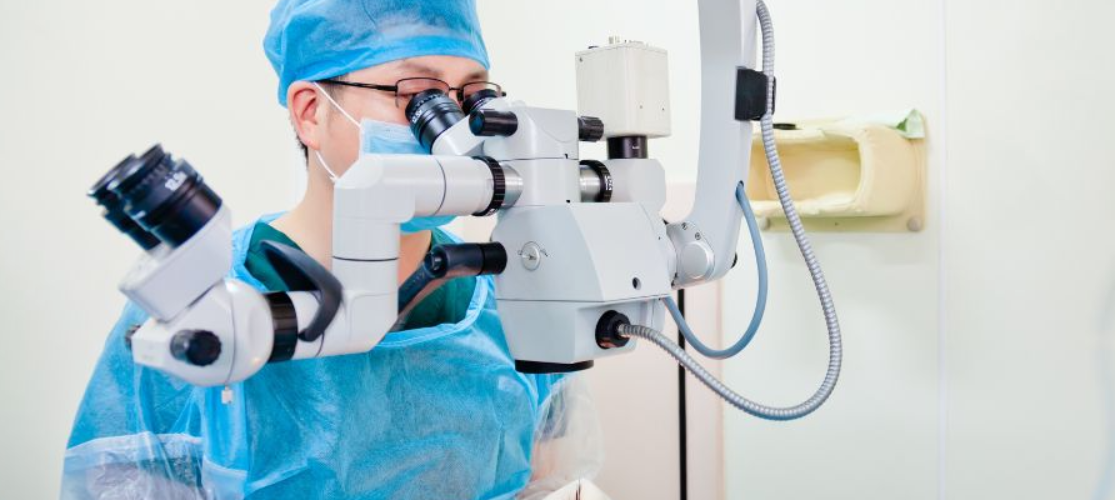
Cataract Treatment is the loss of transparency of the natural lens in the eye. The lens, whose transparency is impaired, becomes like sooty, frosted or stained glass and vision-related complaints begin. Objects appear shapeless, blurry or weak. Eye fatigue and headache occur.
The structure of the congenital lens in the eye consists of protein and water. The special sequence of the protein makes the lens transparent and permeable to light. Over the years, small protein molecules begin to accumulate and eventually the lens loses its transparency. A mature cataract occurs when this cloudiness covers the entire lens so that it cannot transmit light.
Cataract is a sign of aging and is often seen in people over the age of 60. It can rarely be congenital or post-traumatic. As cataracts form, the patient's distant or near vision is impaired. Fogging in vision increases over time. Light reflections start to become annoying. Cataracts are treated when the patient's vision decreases to a level that interferes with his daily life or profession. The typical symptom of central cataract is that elderly people who wear near glasses begin to see near without glasses.
Among eye surgeries, it is the surgery with the highest success rate. Operation with the FAKO method further increased this success. It is an operation with high patient and physician satisfaction. Cataract surgery is performed seamlessly with the FACO method, there is no need to tape the eye for a long time, and the patient can resume daily activities the day after the surgery. After cataract surgery, the patient's refractive error, if any, approaches zero. Patients who use highly myopic or hyperopic glasses before the surgery can also avoid this. Today, even in patients who use highly myopic or hyperopic glasses, surgery can be performed early to correct vision defects, even if they have minor cataracts.
When the cataract reaches a certain stage and obstructs the patient's vision to a disturbing extent, surgery must be performed. Sometimes, in cases where the fundus of the eye needs to be clearly monitored, such as in diabetic patients, and sometimes in cases where cataracts are present along with eye pressure, surgery may be decided at an earlier stage.
 7 days
 Transfer Services
 Accommodation Options
 Nurse / Assistant Support
 1 Year Follow Up
Treatments are planned individually. You need to share information about your treatment with us so that we can provide you with correct planning. In particular, your photographs, x-rays, tests and previous health information are necessary for us to help you. After your information reaches us, your health consultant will contact you as soon as possible.
Cataract is an eye disease that causes vision loss due to clouding of the eye's natural lens.
Symptoms of cataract may include blurred or foggy vision, fading of colors, sensitivity to light, difficulty with night vision, and double vision.
Cataracts are usually associated with the aging process, but trauma, smoking, exposure to sunlight, diabetes, and certain medications can also increase the risk of cataracts.
No. You can have cataract surgery at any time after cataract is in its early stages and starts to negatively affect your vision. The surgery is a decision that the doctor and the patient will make together after the examination and tests your doctor will perform.
If there is no other condition in your eyes that reduces vision other than cataracts, you can regain your old vision.
The extent of cataract progression and the structure of the eyes are the factors that determine the duration of the cataract operation. For example, an operation performed with the phaco method may take 10 minutes depending on these factors, but sometimes it may take more than 30 minutes.
No. Ultrasound (sound waves) is used in cataract operations, not laser, but this operation is incorrectly known as laser cataract operation among the public.