



Would you like to get detailed information? Contact us!
You can reach our support line 24/7. Our team will get back to you as soon as possible.Our clinics offer a comprehensive range of services to meet all your healthcare needs. You can consult our experienced team to get information about your treatments.
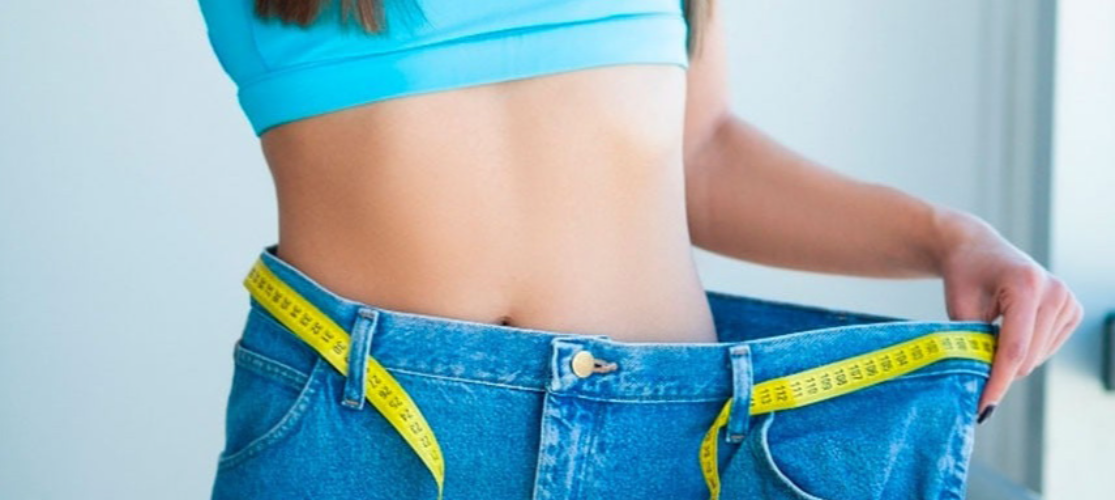
Although obesity is perceived as a cosmetic problem in many respects, it is an extremely important health problem, ranking second after smoking-related lung cancer among preventable diseases that cause death worldwide.
Obesity, which causes many important diseases, especially cardiovascular diseases, from diabetes to depression, is a chronic and complex disease that completely affects the general health status of the person. Obesity is defined by the World Health Organization as "an energy metabolism disorder characterized by an increase in the body's fat mass relative to lean mass such as muscle and bone tissue and excessive fat storage, which can lead to physical, mental and social problems in the person" and is defined as a disorder of energy metabolism, ranging from cancer to metabolic syndrome. It is considered to be associated with many diseases.
Behavior-based traditional treatment of obesity, which occurs with unhealthy eating habits and a sedentary lifestyle, can be quite challenging for the patient. Since this situation makes it difficult for the patient to adapt to the treatment process, there may be disruptions in the treatment and the person's general health condition may worsen in this process. For obese people to lose weight, a multifactorial approach including nutrition, exercise and medical treatments is required. Therefore, today the gold standard for obesity treatment is bariatric surgical treatment methods such as sleeve gastrectomy.
Gastric sleeve surgery is one of the bariatric surgeries performed for overweight patients to lose weight quickly and effectively. This surgery, also known as Sleeve Gastrectomy, is usually performed using surgical equipment placed through 3 to 4 small incisions in the abdominal area. Since there is no need for a large incision for the surgery, it is also known as closed sleeve gastrectomy surgery. With this procedure, approximately 80% of the stomach is removed, leaving a tube-shaped stomach. The rest of the stomach is approximately the size of a banana and its shape resembles a banana.
Limiting the size of the stomach also means reduced consumption by the patient. This process additionally causes hormonal changes that aid weight loss. Thanks to hormonal changes, the risks of high blood pressure or heart disease associated with excess weight are also reduced. Closed sleeve gastrectomy, which is a type of bariatric surgery, is preferred especially in overweight patients. Today, this surgery is recommended for people with a body mass index over 40. A person with a body mass index over 40 is 45 kilos more than his ideal weight. Closed sleeve gastrectomy is one of the new generation bariatric surgeries. Since the procedure can be performed without a large incision, the healing process is much shorter and more comfortable than open surgery methods.
With this procedure, almost 4/5 of the stomach is removed, allowing patients to feel full with smaller portions. However, patients need to pay attention to their nutrition and exercise regularly after surgery. Otherwise, it may be possible to gain weight again after surgery.
The surgery is performed to help patients get rid of excess weight and to reduce the risk of diseases that can seriously endanger life, such as heart diseases, high blood pressure, high cholesterol, sleep apnea, diabetes, stroke and cancer, which may occur due to excess weight. Gastric sleeve surgery is generally preferred in patients who cannot lose weight after regular exercise and balanced nutrition.
People with a body mass index of 40 and above are considered extremely obese. However, gastric sleeve surgery is performed for those with a body mass index between 35 and 39.9 and those with diseases caused by excess weight. Gastric sleeve surgery can also be performed on patients with a body mass index between 30 and 34 due to other disorders caused by obesity.
Patients who will undergo sleeve gastrectomy surgery should be ready to have a healthier lifestyle after surgery. Because the effects obtained as a result of the surgery are permanent only when a regular and balanced diet and regular exercise are taken.
After gastric sleeve surgery, patients can feel full with much smaller meals. This helps prevent overeating. In this way, it is possible for the patient to lose weight. After surgery, patients can easily lose 85% of their excess weight within approximately 1 year with a healthy diet and regular exercise.
 5-7 days
 Transfer Services
 Accommodation Options
 Nurse / Assistant Support
 1 Year Follow Up
Treatments are planned individually. You need to share information about your treatment with us so that we can provide you with correct planning. In particular, your photographs, x-rays, tests and previous health information are necessary for us to help you. After your information reaches us, your health consultant will contact you as soon as possible.
Gastric Sleeve Surgery is a surgical method used in the treatment of obesity. During this procedure, the stomach is reduced and remains in the form of a smaller tube.
In gastric sleeve surgery, a longitudinal cut is made in the stomach, and this cut part is removed. The remaining part is left in the form of a smaller tube.
The advantages of Gastric Sleeve Surgery include that it promotes weight loss, reduces obesity-related health problems, and generally carries less risk of complications than other obesity surgeries.
Risks of gastric sleeve surgery may include surgical complications such as bleeding, infection, gastric leakage, and rarely long-term effects such as malnutrition.
It is important to pay attention to nutritional regulations before and after surgery. In the postoperative period, it is necessary to comply with the diet and activity regulations recommended by your doctor.
Sleeve gastrectomy surgery alone is not enough to provide permanent weight loss. The person must adapt to diet and lifestyle changes after surgery. These changes should usually be permanent because previous habits may be difficult to maintain as the stomach volume decreases after surgery.